

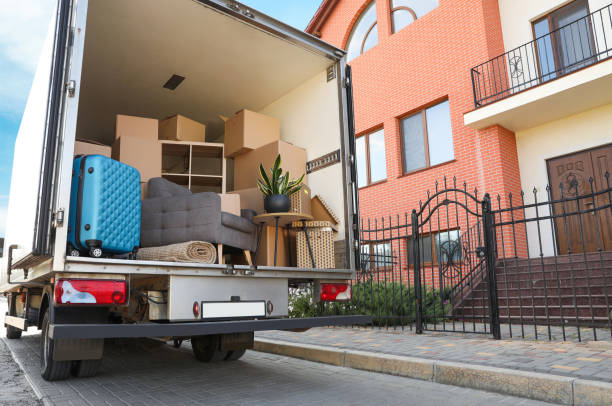
Moving to a new state can be both exciting and overwhelming. Whether it’s for a new job, better opportunities, or personal reasons, an interstate move requires meticulous planning and preparation. Below are key insights to help ensure your transition goes as smoothly as possible.
Research the New State
Before moving, it’s essential to gather information about your destination.
- Cost of Living: Understand how expenses such as housing, groceries, and transportation compare.
- Climate: Be prepared for any changes in weather or seasonal challenges.
- Local Regulations: Different states may have varying laws regarding taxes, vehicle registration, and more.
- Neighborhoods: Research safe neighborhoods that align with your lifestyle needs (e. g. , schools if you have children).
Plan Your Moving Timeline
- Start decluttering your home.
- Research reputable interstate moving companies.
- Create an inventory of items.
- Obtain moving quotes from at least three professional movers.
- Begin packing non-essential items such as decorations and out-of-season clothing.
- Notify utility companies and schedule disconnections or transfers.
- Change your mailing address with the post office.
- Finalize travel arrangements (e. g. , flights if required).
- Pack essential documents in a separate folder (e. g. , IDs, lease agreements).
A detailed timeline will keep you on track and reduce last-minute stress.
Prepare for Transportation Logistics
Interstate moves often involve transporting belongings over long distances.
| Transport Option | Pros | Cons |
| Hiring Professional Movers | Convenience; experienced handlers | Higher cost |
| Renting a Moving Truck | Cost-effective; flexible schedule | Labor-intensive |
| Full-Service Moving | Includes packing/unpacking services | Expensive |
| Shipping Services | Ideal for small loads | Limited flexibility |
Choose an option that suits both your budget and time constraints.
Update Essential Documents
- Driver’s license: Visit your new state’s DMV to transfer your license within the required timeframe.
- Vehicle registration: Update car registration to comply with state-specific laws.
- Insurance policies: Notify providers about your change of address for health, auto, and homeowner’s insurance.
These updates can prevent complications later on.
Emotional Preparation is Key
An interstate move isn’t just logistical—it also involves emotional adjustments.
- Stay connected with friends through scheduled calls or video chats after you move.
- Explore local events or community groups in your new area to build connections quickly.
- Give yourself time to adjust emotionally while embracing this opportunity for growth.
By organizing ahead of time and managing expectations realistically, you’ll set yourself up for success during this major life transition.
Tips and Timeline for Successfully Planning with Cross Country Movers
Planning an out-of-state move requires careful consideration of logistics and timelines. Without proper preparation, it’s easy to encounter unnecessary stress, delays, or added expenses. Below is a structured approach to ensure your move runs efficiently and within schedule.
1.Start Early: Timeline for Preparation
A well-planned timeline is essential for a seamless out-of-state move.
- Research moving companies and request quotes.
- Finalize your budget for moving expenses.
- Begin decluttering and creating an inventory of items to pack.
- Notify landlords (if renting) about your move-out date.
- If applicable, research schools or childcare options in the new state.
- Book a professional moving company or arrange rental trucks if moving on your own.
- Schedule utility service cancellations at your current home and connections at the new one.
- Start packing non-essential belongings like seasonal clothes and decor items.
- Forward mail through USPS or other services.
- Label boxes clearly with contents and corresponding rooms in the new house.
- Confirm all arrangements with the movers or rental truck company.
- Pack an “essentials box” with items you’ll need immediately upon arrival (e. g. , toiletries, important documents, chargers).
- Conduct a final walkthrough of your home, ensuring nothing has been left behind.
- Double-check travel plans if you’re driving long-distance or flying to the destination.
2.Logistics: Key Considerations
- Choosing Your Movers: Research movers who specialize in interstate relocations. Look for established companies with good reviews that provide binding estimates rather than non-binding quotes.
- Transportation Options: | Option | Pros | Cons | |———————-|————————————————|————————————————| | Professional Movers | Convenient; packing/unpacking included | Higher cost | | DIY Truck Rentals | Affordable; greater control over timeline | Physically demanding; risks due to inexperience| | Shipping Services | Great for smaller loads | Expensive per cubic foot |
- Storage Needs: If there’s a gap between move-out and move-in dates, research temporary storage options near both locations.
- If driving: Map out rest stops along the route and plan overnight stays if necessary.
- If flying: Arrange transport for large items beforehand so they arrive on time.
3.Common Challenges During Out-of-State Moves
- Unexpected delays due to weather conditions or traffic congestion on major highways.
- Damage during transit if belongings aren’t properly packed.
- Hidden fees from moving companies that weren’t disclosed upfront (always review contracts thoroughly).
Final Tips for Staying Organized
- Keep all key documents (contracts, receipts, inventory lists) in one folder or digitally stored on cloud platforms like Google Drive or Dropbox for easy access.
- Communicate regularly with movers about any changes to timing or requirements during transit.
- Use apps like TaskRabbit or Handy if you need additional support when unpacking at your destination.
By managing these aspects effectively, you can reduce stress and enjoy a smoother transition into your new state without unexpected disruptions to your schedule or budget framework.
Tips from Long Distance Movers for Planning Your Out-of-State Move
Properly managing the logistics and timeline of an out-of-state move can make the difference between a smooth, stress-free experience and a chaotic transition. Interstate moving requires additional layers of planning compared to local relocations due to the distance and legal considerations involved. Below is a step-by-step guide to help you map out your move efficiently.
1.Six to Eight Weeks Before Moving Day: Research and Preparation
- Create a Budget: Estimate your moving expenses, including transportation, packing supplies, insurance, and any professional services you may require.
- Hire Movers or Rent Equipment: Research reputable interstate moving companies or plan for truck rental if you’re handling the move yourself. Request quotes, read reviews, and confirm their licensing with the U. S. Department of Transportation (DOT).
- Declutter Your Belongings:
- Sell or donate items you no longer need.
- Organize essential items for packing.
- Start Gathering Important Documents:
- Update identification (driver’s license, voter registration).
- Collect medical records and school transcripts.
- Notify government agencies, banks, and subscription services about your address change.
2.Four to Five Weeks Before Moving Day: Packing Strategy
- Categorize Packing by Room:
- Start with items that are rarely used (seasonal decorations or specialty kitchenware).
- Pack essentials like toiletries and daily-use items last.
- Label Everything: Use clear labels on each box indicating its contents and destination room in your new home.
- Consider fragile-item protection using bubble wrap or packing paper.
- Inventory your belongings for reference during unpacking or in case of loss during transit.
3.Two to Three Weeks Before Moving Day: Confirm Plans
- If hiring movers:
- Confirm arrival dates.
- Verify insurance coverage for lost/damaged goods during transport.
- Arrange utilities at your new location (electricity, water, internet) to be activated before your arrival.
- Plan travel arrangements if driving long distances or flying to your new home.
4.One Week Before Moving Day: Final Preparations
- Pack an “Essentials Box” including:
- Toiletries
- Medications
- A few sets of clothes
- Snacks
- Important documents
- Double-check living arrangements upon arrival (such as hotel bookings if needed).
Tip: Keep important valuables like jewelry or personal electronics with you instead of packing them with movers.
Sample Timeline Table
| Timeframe | Tasks |
| 6–8 weeks before | Research movers/trucks; declutter; collect documents |
| 4–5 weeks before | Begin packing; inventory belongings; label boxes |
| 2–3 weeks before | Confirm with movers; set up utilities at the new home; arrange travel |
| Final week | Pack essentials box; finalize travel plans; prepare valuables |
Additional Tips for Smooth Logistics
- Utilize online tools such as moving apps or spreadsheets to organize tasks effectively.
- If moving across state lines in peak seasons (summer months), book services early due to higher demand.
- Familiarize yourself with state-specific regulations regarding vehicle registration timelines or pet transport requirements.
By addressing these logistical details well in advance and following a clear timeline, you’ll minimize last-minute surprises during your out-of-state relocation process.

Key Differences Between In-State and Out-of-State Moves: What You Should Know
When it comes to relocating, the distinctions between in-state and out-of-state moves are significant. Understanding these differences is crucial for planning effectively, managing costs, and avoiding potential stress. Below, we explore the critical aspects that make interstate moves unique compared to local relocations.
1.Distance Matters
The most apparent difference between in-state and out-of-state moves is the distance involved. While local moves typically cover short distances within the same state or locality, interstate moves can span hundreds or even thousands of miles.
- In-State Moves:Usually less than 50-100 miles.
- Out-of-State Moves:Crosses state boundaries, often over long distances.
This broader geographical scope introduces complexities such as additional logistics planning, higher fuel costs, and compliance with regulations in multiple states.
2.Regulatory Requirements
Moving across state lines involves adhering to legal requirements that do not apply to local relocations. Interstate movers must comply with federal regulations set by organizations like the U. S. Department of Transportation (DOT) and Federal Motor Carrier Safety Administration (FMCSA).
Key Compliance Factors for Interstate Moves: – Movers must hold a DOT number. – Contracts often follow federal guidelines rather than just state laws. – Insurance requirements differ and may vary based on state-specific mandates.
Before hiring an interstate mover, ensure they are licensed and insured for cross-state operations.
3.Cost Implications
| Expense Category | Local Moves | Interstate Moves |
| Distance Costs | Minimal | Based on mileage & fuel usage |
| Labor Charges | Hourly rates | Fixed cost or weight-based |
| Additional Fees | Rare | Tolls, permits, storage |
Other cost factors include: – Additional packing materials for long-distance transit. – Potential overnight stays for drivers during multi-day trips.
Planning your budget carefully is essential when moving across states.
4.Timeline and Preparation
Interstate moves require more lead time compared to in-state relocations. The increased complexity of packing, travel logistics, and delivery schedules means you’ll need ample preparation time—usually at least 6–8 weeks.
Key Preparatory Steps: 1. Create a detailed inventory of household items. 2. Research state-specific regulations (e. g. , taxes on moving trucks). 3. Arrange transportation well in advance to secure availability during peak moving seasons.
In comparison, local moves can often be arranged on shorter notice due to fewer logistical variables.
5.Risk of Damage During Transit
With longer distances comes a greater risk of damage or loss during transportation.
Tips for Reducing Risk: – Use durable packing materials like double-walled boxes. – Label fragile items clearly. – Opt for comprehensive insurance coverage offered by your mover.
For high-value items such as electronics or antiques, consider professional packing services tailored for interstate transit needs.
6.Emotional Adjustment
- New schools for children
- Adjusting to different tax laws or living costs
- Building a social network from scratch
These emotional challenges should not be overlooked when transitioning across states as they play a key role in how quickly you settle into your new environment.
Understanding these critical differences ensures you are better equipped to tackle an out-of-state move successfully while minimizing unexpected surprises along the way. Proper planning tailored specifically for interstate relocation will help make this transition smoother both logistically and emotionally.
Budgeting for Your Move: Essential Cost Factors and Tips to Save Money on Interstate Relocation
Relocating across state lines can be a significant financial undertaking, but with careful planning and budgeting, you can save money while ensuring a smooth transition. Below, we explore essential cost factors to consider when budgeting for your interstate move and provide actionable tips to keep your expenses in check.
Understanding Key Cost Factors
The overall cost of an interstate move is influenced by various factors.
- Distance of the Move: The longer the distance between your current location and your new home, the higher the transportation costs.
- Volume/Weight of Belongings: Interstate moving companies typically charge based on the weight or volume of your belongings. Downsizing ahead of time can significantly reduce costs.
- Additional Services: Services such as packing/unpacking, furniture assembly, or temporary storage may incur extra charges.
- Seasonality: Moves during peak periods (summer months or weekends) are generally more expensive than off-season relocations.
- Insurance Coverage: Opting for full-value protection instead of basic liability coverage will increase overall costs but provides better peace of mind.
- Fuel Costs and Surcharges: Fuel prices and potential surcharges levied by movers affect transportation expenses.
Tips to Save Money on Your Interstate Move
- Donate or sell items you no longer need to reduce the weight/volume of your shipment.
- Organize a garage sale or leverage online marketplaces to declutter profitably.
- Obtain at least three quotes from reputable moving companies.
- Look for binding estimates that guarantee pricing against unexpected cost increases.
- Schedule your move during off-peak seasons (fall or winter) if possible.
- Avoid weekends and holidays to secure lower rates.
- Pack smaller items yourself using materials like recycled boxes from local stores.
- Disassemble furniture pieces where feasible to cut down on labor costs.
- Portable storage units often offer more flexibility at reduced costs compared to full-service moves.
- Some moving companies offer discounts for students, seniors, military personnel, or first-time customers.
- Check for promotions and negotiate terms before finalizing contracts.
- Provide clear details about potential challenges (e. g. , narrow doorways, stairs) during in-home assessments.
- Opt for adequate coverage based on the value of your belongings but avoid purchasing unnecessary add-ons.
Sample Cost Table: Moving 1-Bedroom Apartment State-to-State*
| Service Type | Estimated Cost Range | Remarks |
| Full-Service Movers | $1,500–$3,000 | Includes packing/loading/unloading |
| DIY Using Rental Truck | $800–$2,000 | Excludes labor; fuel extra |
| Portable Storage Units | $1,200–$2,500 | Flexible delivery/pickup options |
Costs vary depending on distance and personal requirements; always request customized quotes.
Careful budgeting combined with proactive strategies can significantly offset expenses while ensuring a stress-free interstate relocation process that aligns with both your timeline and financial goals.
Advantages
- Cost Savings: One of the biggest reasons people choose to move on their own is the potential for lower costs. By renting a truck or trailer and handling the packing and transportation yourself, you can save on labor charges.
- Flexibility in Scheduling: DIY moving allows you to set your own timeline without needing to coordinate with professional movers.
- Control Over Belongings: You have complete control over how your items are packed, loaded, transported, and unloaded.
Disadvantages
- Time Consuming: DIY moves often take longer due to additional tasks such as loading/unloading and driving a rental truck.
- Hidden Costs: Expenses like fuel for a large truck, tolls, lodging during travel, and equipment rentals (dollies or straps) can add up quickly.
| Factor | Advantage (DIY) | Disadvantage (DIY) |
| Cost | Typically lower | Hidden costs possible |
| Control | Full control | May require expertise |
| Physical Effort | Saves hiring fees | Significant labor |
Advantages
- Efficiency: Professional movers are trained to pack efficiently, load items securely, and transport them safely over long distances.
- Convenience: With professionals managing the logistics, you save time and reduce stress during an already hectic period.
Disadvantages
- Higher Costs: Hiring professionals comes at a premium. The total cost depends on factors such as distance traveled, weight/volume of goods moved, additional services (e. g. , packing), etc.
- Less Control Over Schedule: Professional movers operate according to their availability. This may require adjustments to your preferred moving date(s).
Professionals?
- If you’re working with a tight budget but have time available for planning/packing, DIY might be ideal.
- For those willing to pay extra for convenience or who need assistance moving heavy furniture/items across states professionally handling things makes better sense.
- For short-to-medium distances (under 500 miles), DIY options may be more economical.
- Long-distance interstate moves are often better handled by experts due logistical demands requiring experience navigating larger-scale operations safely efficiently avoiding costly mistakes/errors.

Checklist for Moving with Children and Pets During an Interstate Relocation
Moving to a new state can be an overwhelming process, especially when you have children and pets to consider. Proper planning is essential to ensure a stress-free experience for your family members—both human and animal. Below is a comprehensive checklist designed to help you manage the process efficiently.
Pre-Move Preparation
- Include Your Children in the Planning Process
– Talk to your children about the move early so they can mentally prepare.
– Let them help pack their belongings to create excitement and involvement.
– Research schools, parks, and activities in your new area together. - Schedule a Vet Visit for Your Pets
– Obtain health records, vaccination certificates, and any required travel documentation for your pets.
– Ask about sedatives or calming techniques if your pet becomes anxious during travel.
– Update microchip information with your new address. - Arrange Special Transportation for Pets
– If flying with pets, book flights early as airlines often limit the number of animals on board.
– For long drives, ensure you have a properly sized crate or carrier that complies with safety regulations.
Packing Tips
For Children:
– Pack a “first day” essentials bag including:
– Favorite toys or comfort items (e. g. , stuffed animals).
– Snacks, drinks, and activities (books, coloring supplies).
– Extra clothes and toiletries.
For Pets:
– Create an essentials kit that includes:
– Food and water bowls along with enough food for the trip and initial days at the new home.
– A leash or harness for safe breaks during travel.
– Waste bags or litter supplies as needed.
Travel Day Guidelines
- Keep Children Entertained:
Prepare entertainment options like audiobooks, movies on tablets, or travel games to prevent boredom during long trips. - Ensure Pet Comfort:
– Provide frequent breaks during road trips for bathroom needs and exercise.
– Maintain proper ventilation in vehicles to prevent overheating or discomfort.
Settling In After the Move
For Children:
– Set up their rooms first so they feel comfortable right away. – Explore local amenities such as parks or libraries together to make them feel more at home.
For Pets:
– Gradually introduce them to the new environment by limiting access initially only to one room so they don’t feel overwhelmed. – Stick closely to their normal feeding/walking schedule during the transition period.
| Item | Child-Focused Action | Pet-Focused Action |
| Essentials Bag | Pack snacks, toys & toiletries | Prepare food/water bowls & leash |
| Pre-Move Documentation | School enrollment paperwork | Vaccination certificates & health record |
| Travel Preparation | Plan entertainment options (games/books) | Arrange crates/carriers & confirm transportation |
| First Days in New Home | Organize child’s room first | Gradually introduce pets into new space |
Effective planning will ease stress on moving day while ensuring the transition is smooth for all family members involved in this significant life change.
- Why Hiring an Out of State Moving Company Is Worth Every Penny for Long-Distance Moves
- Find the Best Out of State Moving Company for a Stress-Free Relocation Plan and Schedule
- How an Out of State Moving Company Makes Long-Distance Relocation Easy
- Understanding the Benefits of Hiring Interstate Movers and What You Gain
- Key Insights from Long Distance Movers for a Smooth State-to-State Transition
- How to Choose Reliable Long Distance Movers and Avoid Common Moving Mistakes
- Choosing the Right Out of State Moving Company: A Complete Guide to Stress-Free Relocation
- Expert Tips and Guides for Choosing the Right Out of State Moving Company
- Overcoming the Biggest Challenges with Long Distance Movers